

Thank you for Subscribing to Electrical Business Review Weekly Brief

Dairyland Power Cooperative
Jason Colbenson, Senior Quality Assurance Specialist
Driving Sustainable Energy Solutions for a Greener Future
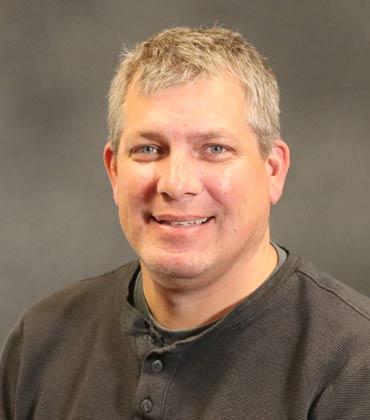
Jason Colbenson
Jason Colbenson is a Senior Quality Assurance Specialist at Dairyland Power with over two decades of expertise in welding, fabrication, and NDE oversight. Certified by AWS and ASNT, he ensures compliance with industry standards and codes while spearheading comprehensive quality procedures. With ASNT NDE Level III certifications in MT and PT, along with a Level III certification through the American Society of NonDestructive Testing, Jason remains at the forefront of industry advancements. As a member of the Electrical Power Research Institute’s Boiler Reliability Interest Groups, he plays a key role in safeguarding power generation operations’ reliability and integrity.
Could you share some insights into your professional journey in the industry and your current roles and responsibilities? My journey in the industry began when I pursued a two-year degree in non-destructive testing at Ridgewater College back in 1997. Shortly after, I landed a job as an X-ray technician inspecting aluminum welds, primarily focusing on aluminum heat exchangers in the initial stages of my career. Subsequently, I pursued further education, earning a bachelor’s degree in industrial management from UW Stout in May of 2009. Following that, I transitioned to Dairyland Power, a transmission and generation utility in the power industry. My tenure at Dairyland Power started as a Quality Assurance Technician, and over the years, I progressed to become a Quality Assurance Specialist before assuming my current role as a Senior Quality Assurance Specialist. In my current capacity, I oversee various aspects of our operations, including managing our welding program for inhouse operations at our power generation plants. Initially, we had seven plants, but now we’re down to just one coal-fired unit. One of my key responsibilities is managing our National Board “R” stamp program for in-house weld repairs on our pressure vessels, boilers, and power piping. We undergo audits every three years for recertification, ensuring that our quality system manual is up to date and compliant with industry standards. Additionally, I oversee our in-house boiler inspections and coordinate repair plans as needed, focusing on maintaining the reliability and integrity of our power generation operations.Over the past 15 years, Dairyland Power has transitioned from primarily coal-fired power generation, with seven units, to just one, alongside a growing demand for renewable energy sources like wind and solar power.
The articles from these contributors are based on their personal expertise and viewpoints, and do not necessarily reflect the opinions of their employers or affiliated organizations.
